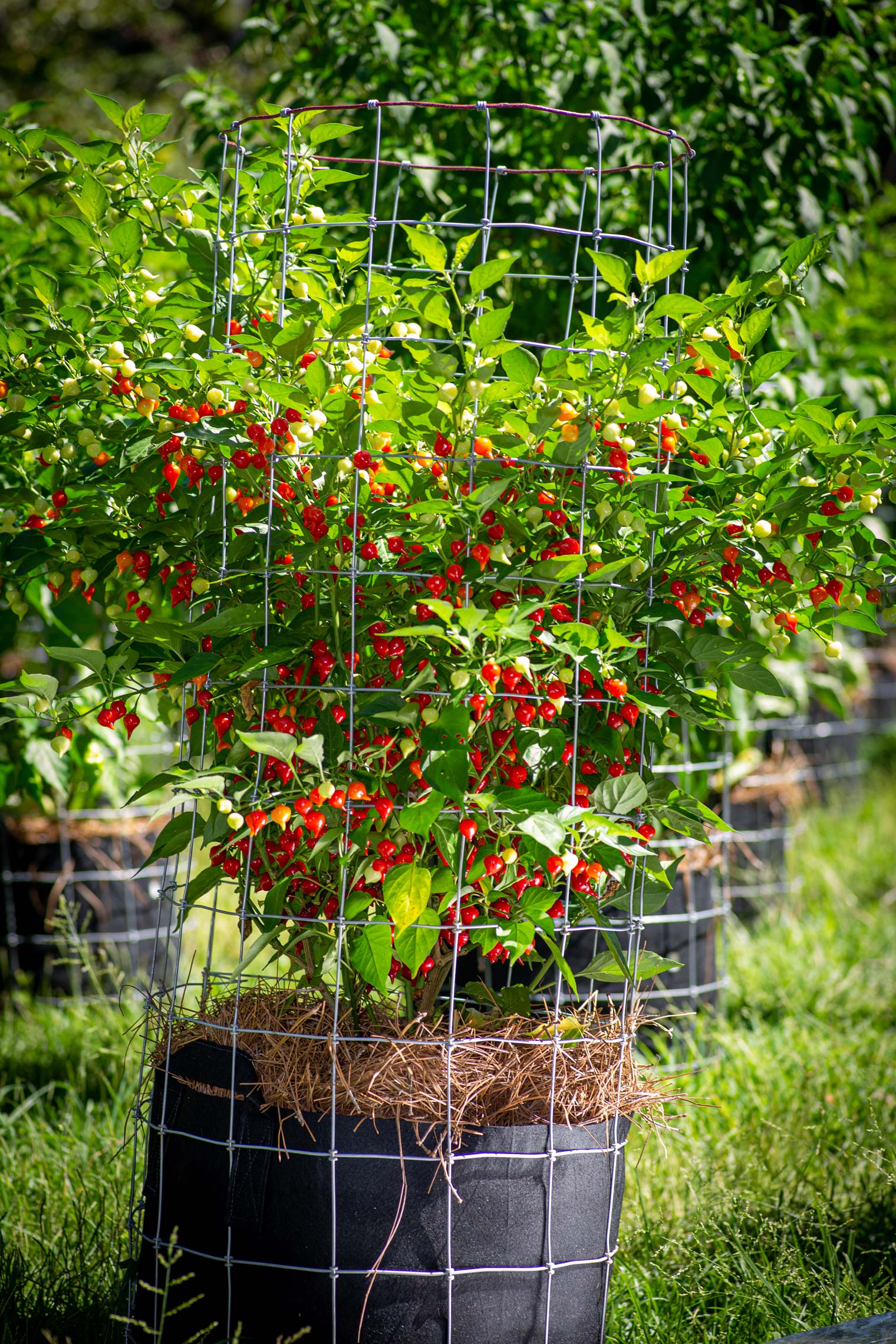
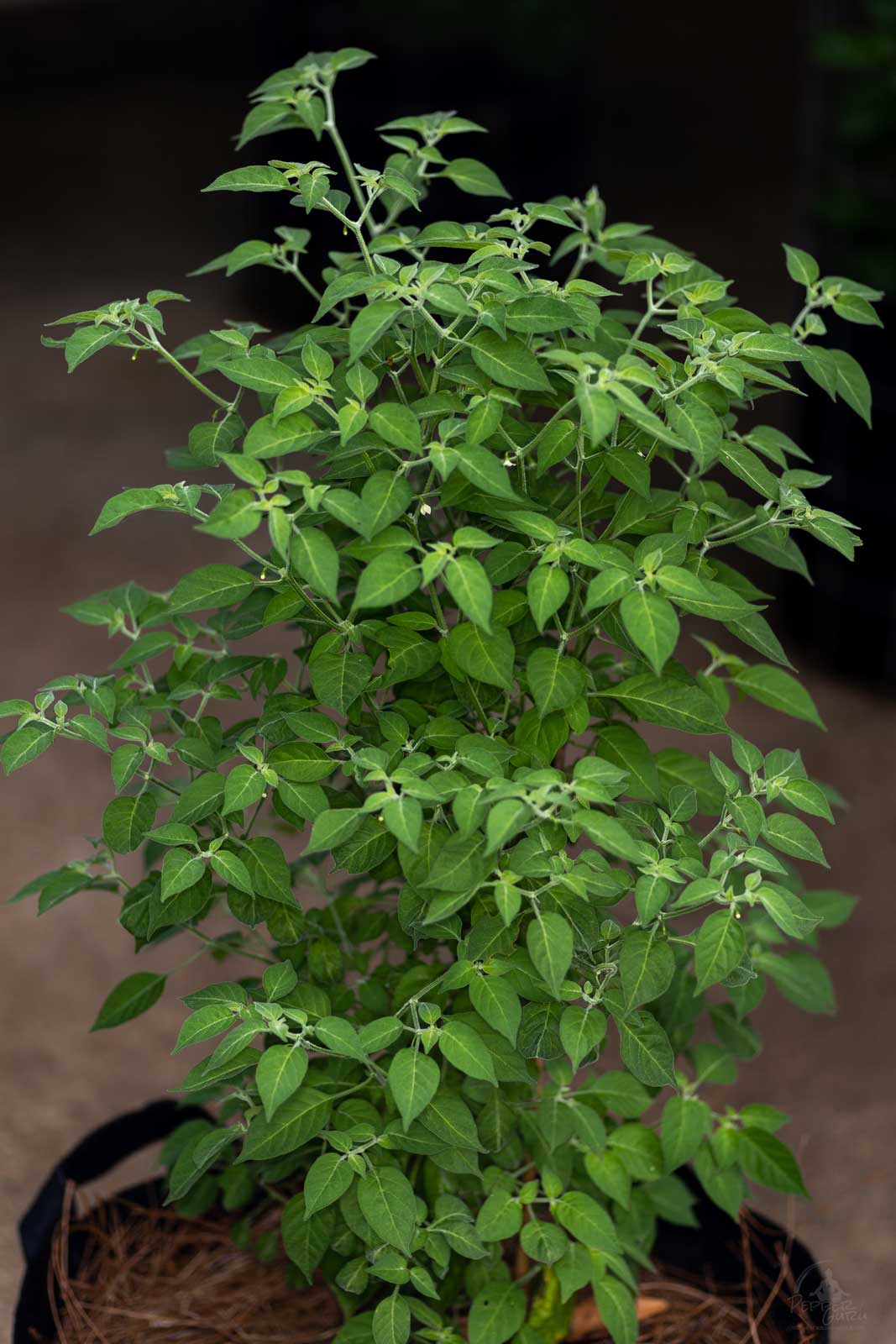
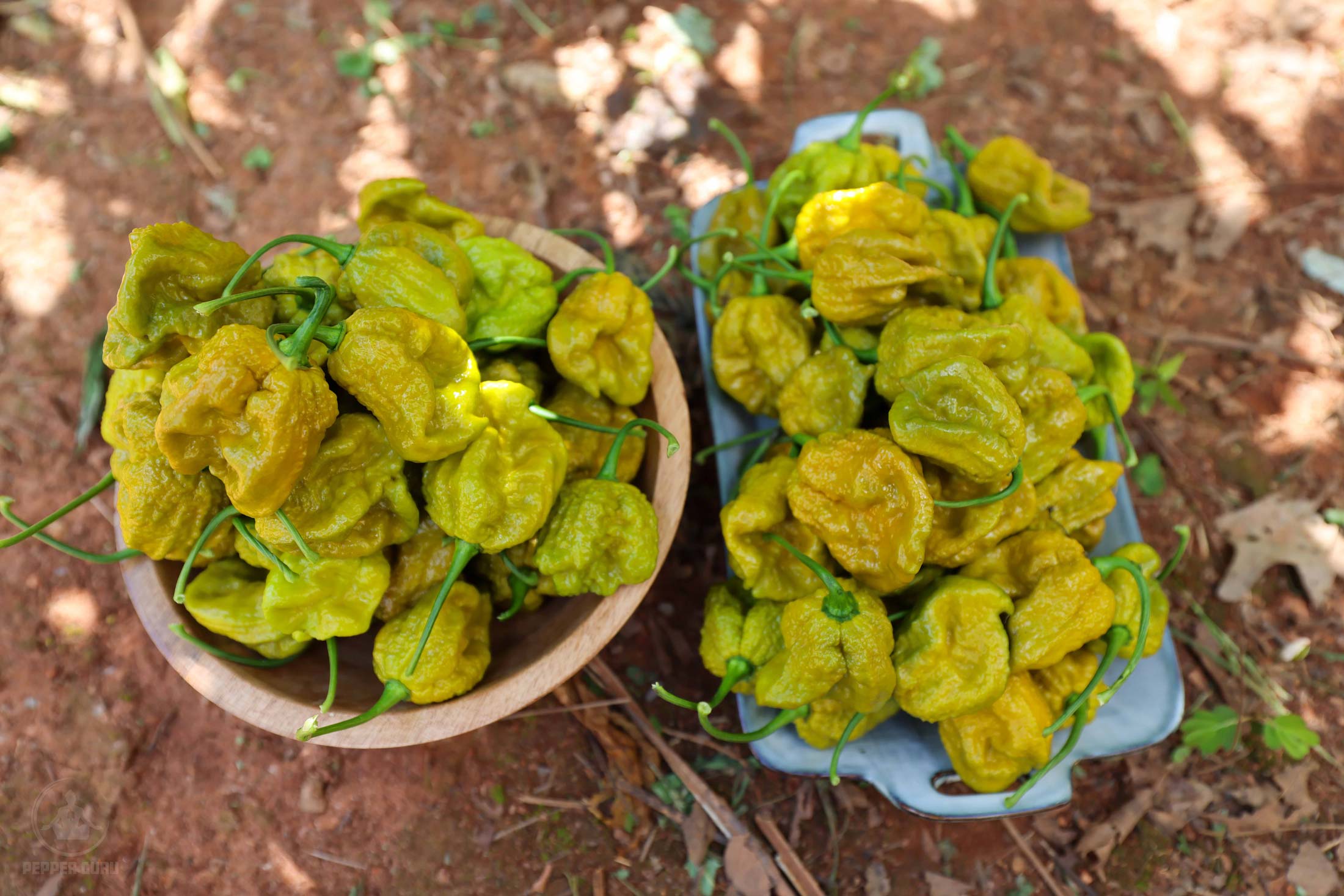
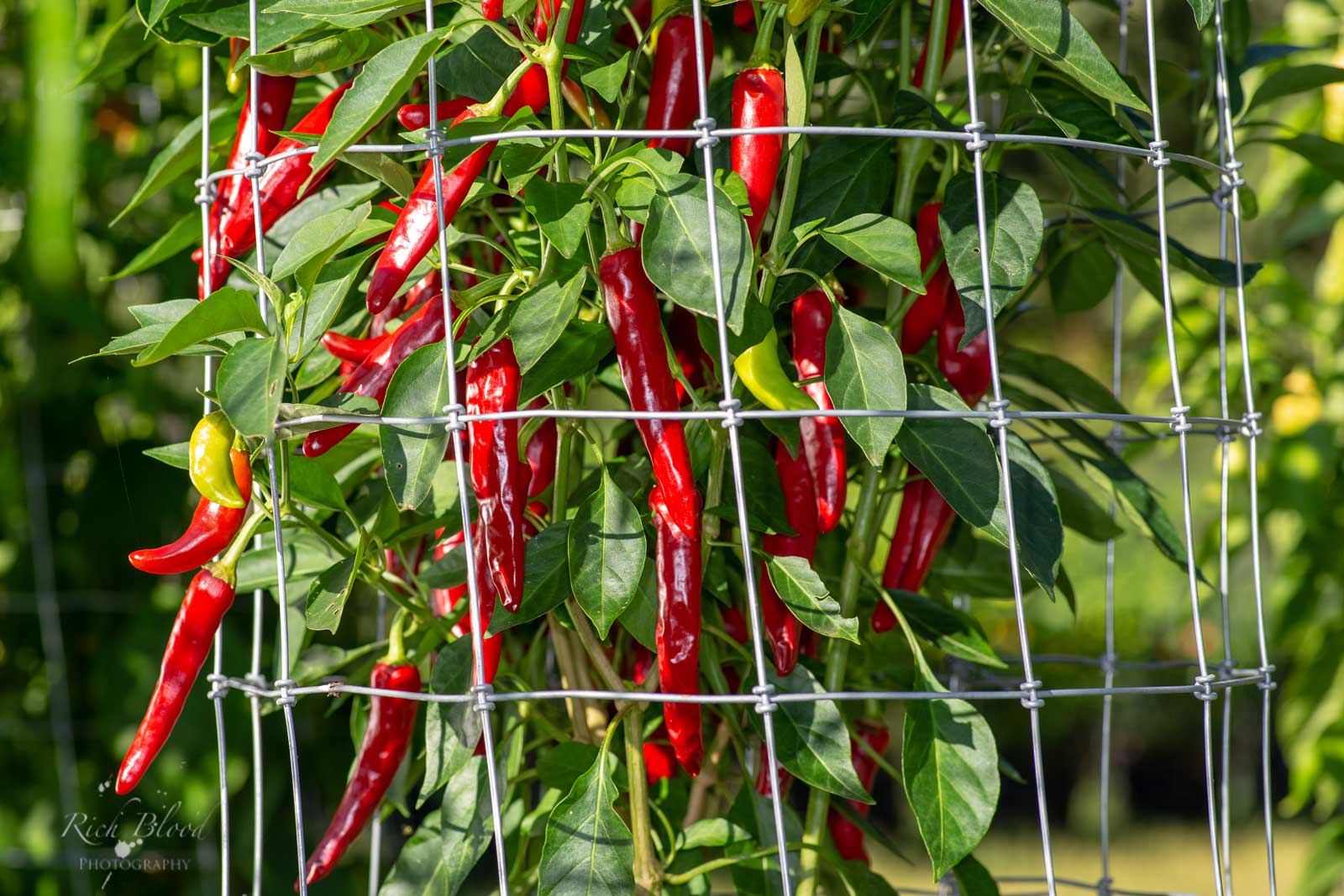
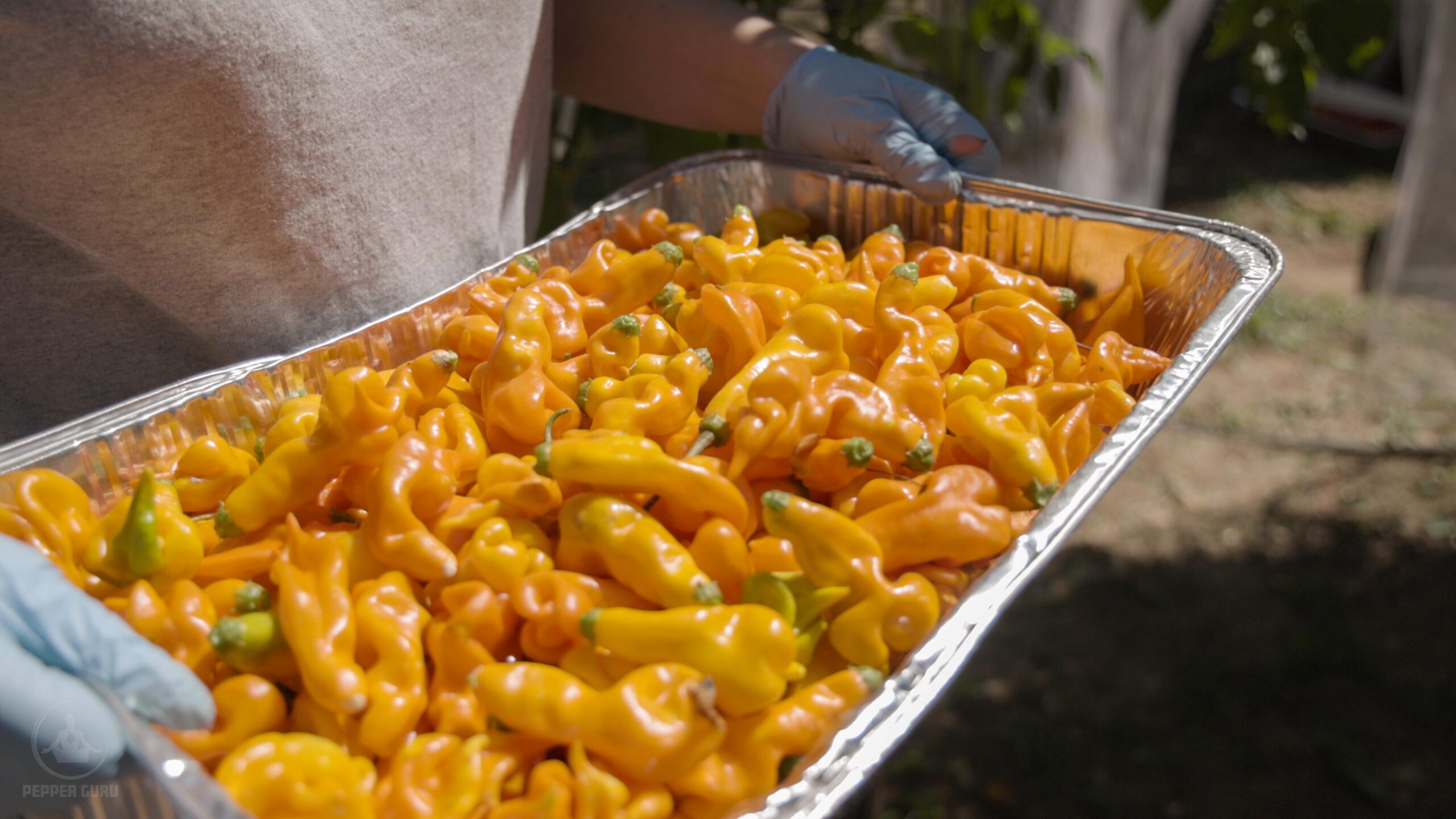
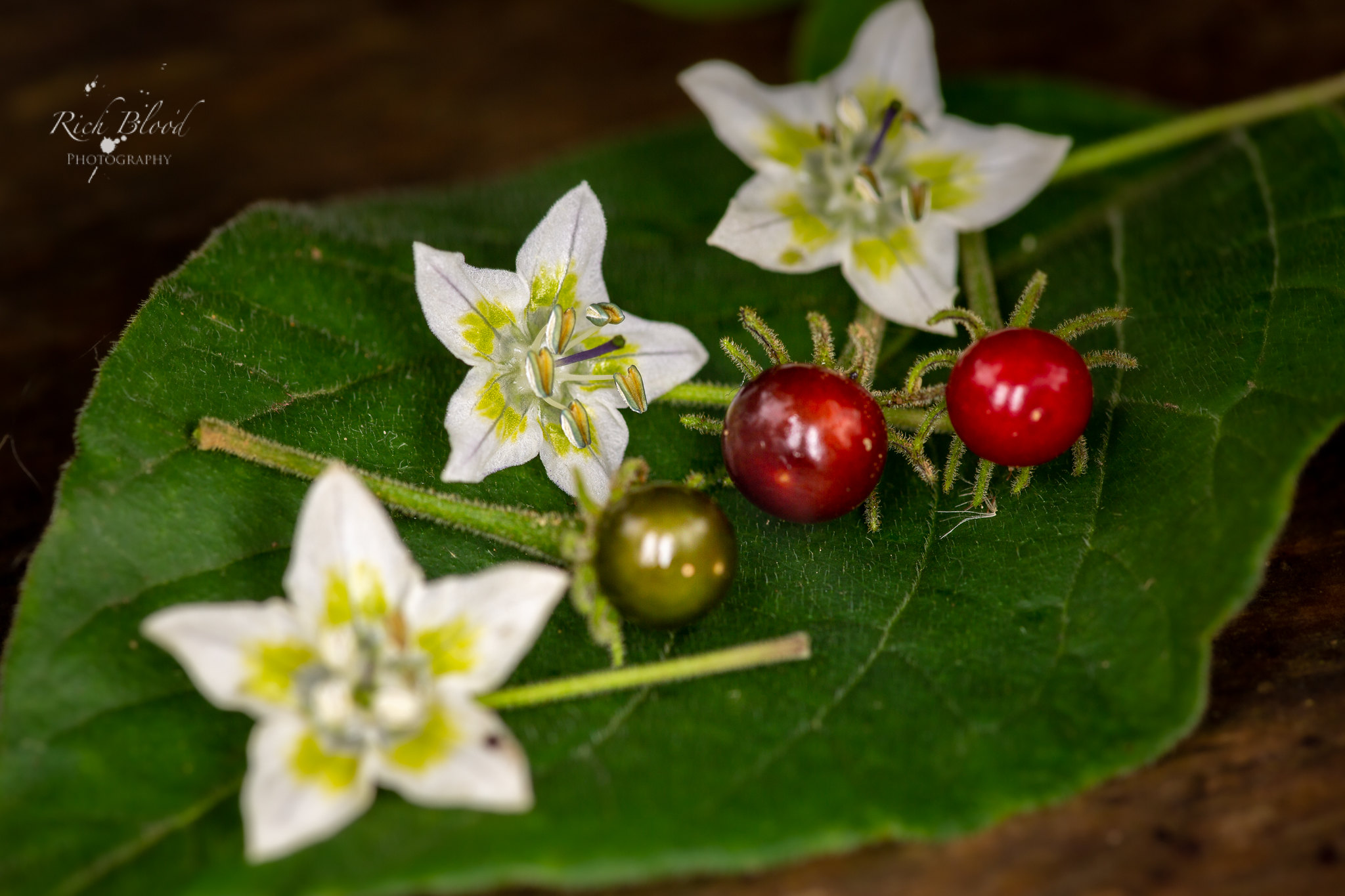
Description Capsicum eshbaughii Pepper Seeds – Bolivia’s Endangered Ulupica Introduction to Capsicum eshbaughii Pepper Seeds Rediscovered deep in the highland valleys of Samaipata, Bolivia, on December 7th 2019, this critically endangered wild species—Capsicum eshbaughii—is a rare gem for collectors, conservationists, and spice lovers alike. Named in honor of renowned botanist Dr. William Eshbaugh, this wild pepper is a botanical relic, growing only in a single microclimate increasingly threatened by human development and tourism. The species was first collected by W. H. Eshbaugh in the 1980s near Mairana, Bolivia, but remained poorly known for decades and was considered potentially extinct in the wild. It was formally described in 2011 by Barboza based on herbarium material and field evidence. On December 7th 2019, I set out to find this elusive “white whale” of the pepper world, inspired by a challenge from my friend John Lackey. To our surprise, the bright red fruits and sticky calyxes revealed themselves quickly, thriving roadside, known and appreciated by locals who still use it in traditional “Llajua” sauce. These seeds represent both a conservation effort and a flavorful, ultra-rare addition to your garden. Product Details Product Name: Capsicum eshbaughii Pepper SeedsSpecies: Capsicum eshbaughiiOrigin: Samaipata Valley, BoliviaGrowth Habit: Wild-type growth; compact, messy branching with sticky stems and small leavesFruit: Tiny, upright berries ripening from green to bright red; glossy and vibrantHeat Level: Medium to hot (est. 30,000–60,000 SHU)Flavor Profile: Wild, floral, perfumed — like jungle citrus with a lingering sharpnessCulinary Uses: Traditional Bolivian “Llajua” salsa, dried spice, fermentation projectsClimate: Thrives in mild climates with full sun and partial shade with higher humiditySoil: Well-draining, sandy or loamy soil preferredWatering: Moderate; mimic wild conditions (the high valley town of Samaipata get’s frequent rain) Why Grow Capsicum eshbaughii? Wild & Endangered Species – A true conservation grow-out of a critically endangered pepperOne-of-a-Kind Flavor – Jungle perfume and heat like no cultivated pepper you’ve triedCultural Heritage – Used in traditional Quechua Llajua sauceWild Growth Habit – Great for collectors of primitive Capsicum speciesDirect from Bolivia – Personally collected and grown to preserve authentic genetics How to Grow Capsicum eshbaughii Pepper Seeds 1. Seed GerminationStart indoors 4–6 weeks before your last frost date.Use a well-draining seed mix and sow 1/4 inch deep.Maintain a soil temp of 65-75°F (18-24°C) for best germination.Some Capsicum eshbaughii seeds may germinate quickly and some more slowly—be patient with this wild species. 2. Transplanting & CareTransplant into containers or well-draining garden soil once frost risk passes.Space plants 12–18″ apart or grow one per container.Apply a balanced, 3-1-2 light fertilizerExpect a sprawling, bushy form with sticky stems and small fruits. 3. Harvesting & UsageHarvest fruits when fully red and glossy, around 90 days from transplant.Use fresh in traditional salsas, dry for powder, or ferment for complex sauces.Wear gloves—the spicy oils stick to your skin! Learn & Grow More Read the full Capsicum eshbaughii story – My rediscovery journey in BoliviaTraditional Llajua Sauce Recipe – The heart of Bolivian heat (coming soon) Capsicum eshbaughii on Wikipedia Capsicum eshbaughii This isn’t just a pepper—it’s a piece of botanical history and a conservation project in seed form. Whether you’re a grower, collector, or lover of rare wild chilies, Capsicum eshbaughii belongs in your garden. Extremely limited supply – Grown for preservation, not mass production, or sale. If you’ve received these from us, grow them and help us preserve this critically endangered species.